
The Moment I Realized Everything Is a Copy, And Why That’s Beautiful
The Moment I Realized Everything Is a Copy , And Why That’s Beautiful
A musical coincidence that changed my perspective on creativity, AI, and the nature of inspiration itself
It was just another Tuesday morning, and I needed to focus. Like many remote workers, I have my productivity rituals , one of which involves playing music with lyrics I don’t understand. The theory is simple: let the melody energize you while avoiding the distraction of comprehensible words.
So I queued up my Italian playlist. I’ve always been drawn to Italian love songs and cinema, despite not speaking a word of the language. There’s something about the passionate cadence, the emotional depth that transcends linguistic barriers.
But then something strange happened.
When Your Brain Becomes a Music Detective
As the first song began, I found myself humming along. Then actually singing. This was problematic , I had specifically chosen Italian music to avoid lyrical distractions.
The song was “L’italiano” by Toto Cutugno, a classic from 1983. But the melody my brain was producing? “Nasha Ye Pyar Ka Nasha Hai” from the 2000 Hindi film Mann, composed by Sanjeev Darshan.
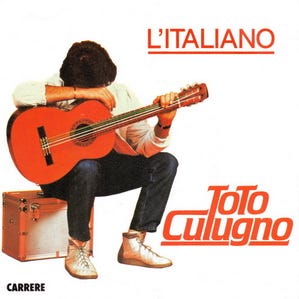
A quick search confirmed what my ears had detected: the Hindi song was indeed “inspired by” (read: directly lifted from) the Italian original.
This moment of musical déjà vu triggered a much larger realization about creativity, inspiration, and our current anxieties about AI.
The Great Copy-Paste of Human Creativity
We’re living through intense debates about AI and data usage. Artists, writers, and creators are rightfully concerned about their work being used to train systems that might eventually replace them. The cry is familiar: “AI is stealing our content!”
But here’s what my morning playlist reminded me: everything has always been inspired by something else.
This isn’t a new phenomenon. It’s the fundamental nature of human creativity.
Consider:
- Shakespeare drew heavily from existing stories and historical accounts
- The Beatles were deeply influenced by Chuck Berry, Little Richard, and American blues
- Picasso famously said, “Good artists copy, great artists steal”
- Every romantic comedy follows essentially the same template
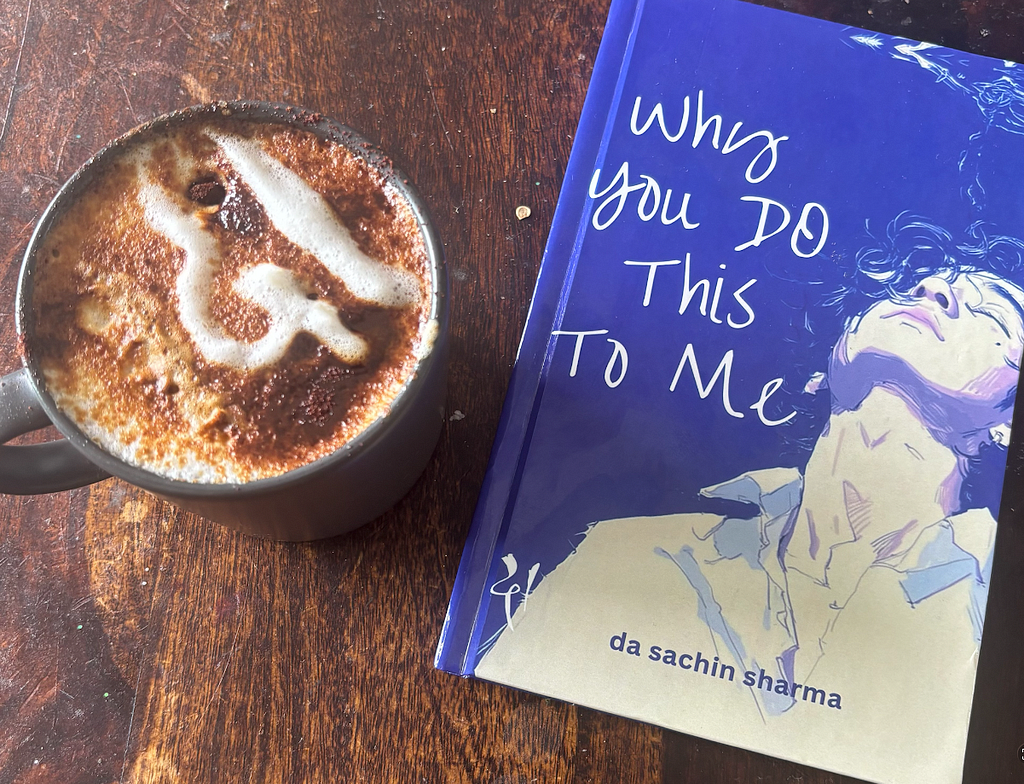
Even in my own recent work , my fourth book, “Why You Do This to Me,” a compilation of unsent messages and thoughts , I recognize that not every story originated entirely from my personal experience. Some narratives simply appeared in my consciousness, likely fragments of conversations overheard, stories half-remembered, emotions witnessed and absorbed over years.
The Invisible Training Data of Human Minds
This is where the AI comparison becomes fascinating.
Artificial intelligence systems are trained on vast datasets , text, images, music , and criticized for creating “derivative” work based on this training. But isn’t that exactly how human creativity works?
We absorb information constantly:
- Books we’ve read
- Movies we’ve watched
- Conversations we’ve had
- Art we’ve encountered
- Experiences we’ve lived
All of this becomes our personal “training data.” The difference is that our mental datasets are:
- Unmanaged and often unconscious
- Impossible to trace or audit
- Protected from plagiarism detection by the privacy of our thoughts
When a human creates something “original,” it’s actually a complex recombination of all their accumulated inputs, processed through their unique perspective and experiences.
The Spectrum of Inspiration
Of course, there are important distinctions to make:
Conscious Inspiration: When we deliberately reference, adapt, or build upon existing work. This includes everything from cover songs to literary adaptations to “films inspired by true events.”
Subconscious Inspiration: When elements from our mental archives resurface without our conscious awareness. A melody we heard years ago, a phrase that stuck with us, a visual composition that influenced our aesthetic sense.
Direct Copying: When work is reproduced without transformation or attribution. This exists on a spectrum from academic plagiarism to musical sampling to AI-generated content that too closely mirrors its training data.
The challenge isn’t that inspiration exists , it’s determining where to draw the lines between acceptable influence and problematic appropriation.
Rethinking Our Relationship with AI
Instead of viewing AI as a threat to creativity, what if we reimagined it as an advanced tool for amplifying human imagination?
The most powerful approach might be to:
- Use AI as a collaborative partner: Let it help visualize your ideas, explore variations on your themes, or overcome creative blocks
- Combine AI capabilities with human perspective: Your unique experiences, emotions, and viewpoints remain irreplaceably yours
- Transform rather than copy: Use AI-generated content as raw material for your own creative vision
- Maintain transparency: Acknowledge when AI has played a role in your creative process
The Nature of True Originality
My Italian music revelation reminded me that perhaps the only truly “original” content in our world comes from nature itself , the patterns of weather, the structure of crystals, the behavior of animals, the formation of galaxies.
Everything human-created is, in some sense, inspired by something that came before.
This isn’t a reason for despair , it’s cause for celebration. It means we’re all part of an enormous, interconnected web of creativity that spans cultures, generations, and now, apparently, the boundary between human and artificial intelligence.
The Writer’s Ancient Secret
There’s a quote that every writer knows: “I’m a writer , anything you say or do may end up in my story.” Artists have always been observers, collectors, and transformers of human experience.
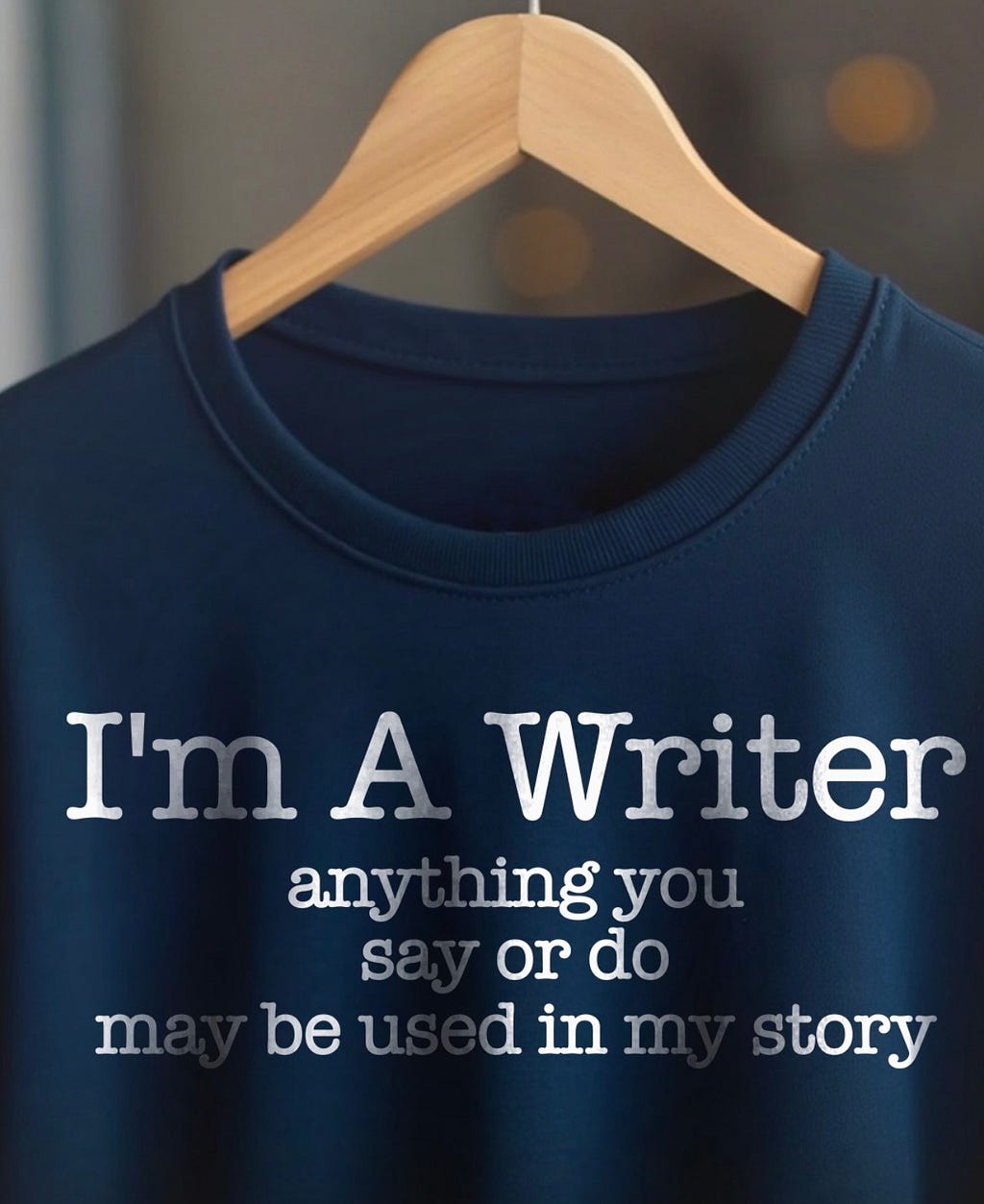
We’ve always been training ourselves on the data of life around us, consciously and unconsciously absorbing influences that later emerge in our work.
The AI revolution simply makes this process more visible and systematic.
Embracing the Future of Creativity
Rather than fighting this reality, we might embrace it. Let’s use AI as what it truly is: a sophisticated tool for bringing our imagination to life.
Keep learning. Keep observing. Keep collecting experiences and influences. Keep transforming them through your unique perspective.
Because at the end of the day, creativity isn’t about creating something from nothing , it’s about creating something meaningful from everything.
And that’s a fundamentally human act, regardless of what tools we use to express it.
What’s your perspective on creativity and inspiration in the age of AI? Share your thoughts in the comments , I’d love to continue this conversation.
And if you’re curious about those musical connections that inspired this piece, I highly recommend listening to both “L’italiano” and “Nasha Ye Pyar Ka Nasha Hai” back-to-back. It’s a fascinating study in how melodies travel across cultures and decades.